The gist:
• Keeping your Wrangler on a consistent service schedule protects its 4×4 drivetrain and extends its lifespan.
• Oil changes, tire rotations, brake inspections, and fluid checks are the core tasks every Dunkirk-area owner should prioritize.
• A certified Jeep service center familiar with local driving conditions is the safest choice for factory-spec work.
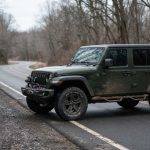
Owning a Jeep Wrangler in western New York means your truck faces lake-effect snow, salted roads, and occasional off-road use — all of which make consistent maintenance non-negotiable. The right service schedule keeps your Wrangler dependable through every season Chautauqua County throws at it.
If you are searching for a Jeep Wrangler in Dunkirk NY, knowing what routine care a Wrangler requires is just as valuable as finding the right trim level. The sections below walk through the most important service intervals and what to watch for between visits.
Core Maintenance Intervals Every Wrangler Owner Should Know
Staying on schedule is the single most effective way to avoid costly repairs. The Jeep Wrangler maintenance schedule is mileage-based, ensuring key services like oil changes and tire rotations happen when the vehicle actually needs them.
Here is a quick-reference table for the most common service items:
|
Service |
Standard Interval |
Severe/Off-Road Interval |
|
Engine oil and filter |
Up to 10,000 miles or annually |
5,000-6,000 miles |
|
Tire rotation |
Every other oil change |
Every oil change |
|
Brake inspection |
Annually |
Every 6 months |
|
Transfer case fluid |
Inspect every 30,000 miles |
Change every 60,000 miles |
The oil life monitor will typically call for service before 10,000 miles or once a year under standard use, while tire rotation under standard conditions is recommended every other oil change — but for severe duty or off-road tires, rotate at every oil change to prevent cupping and uneven wear.
Every Wrangler includes a full-size matching spare, and working it into the rotation ensures all five tires wear evenly. This is a detail many owners overlook until one tire is noticeably more worn than the rest.
Oil Changes, Fluids, and the 4×4 Drivetrain
Engine oil is the most frequent service item, but the Wrangler’s 4×4 hardware adds a few more fluid checks that standard cars do not require.
Beyond oil changes and filters, the Wrangler needs Jeep-specific services for the transfer case, differentials, and 4×4 hardware. Skipping these is one of the most common reasons 4×4 systems develop premature wear.
According to the Jeep JL owner’s manual maintenance section, transfer case fluid should be checked every 30,000 miles and changed every 60,000 miles — and if you do frequent off-roading, changing it every 30,000 miles instead is a reasonable precaution.
Additional fluid checkpoints to keep on your radar:
• Brake fluid: inspect at each oil change; replace per owner’s manual guidance
• Coolant: top off as needed; full flush per manufacturer schedule
• Transmission fluid, power steering fluid, and brake fluid are all fluids your Wrangler relies on to function correctly — each has its own replacement interval, so the owner’s manual is your most reliable reference
Brakes, Suspension, and Dunkirk-Specific Wear Factors
Road salt and freeze-thaw cycles accelerate wear on brake components and suspension hardware more than in drier climates. Brake inspections should be performed at least once a year, and in a region with heavy winter road treatment, twice a year is a practical approach.
If you have been driving in dusty or dirty environments, inspect and replace the air filter as needed. It is also a good time to inspect suspension and steering components, checking ball joints, tie rods, and the overall suspension for any signs of wear.
Off-road use adds another layer of urgency to these checks. Driving in dirt, mud, or sand puts extra strain on key parts. After any significant trail run, a visual inspection of the undercarriage, skid plates, and CV joints is worth a few minutes of your time.
Regularly washing and waxing your Jeep helps protect its paint and prevent rust from forming. If you frequently drive off-road or in muddy conditions, clean the undercarriage thoroughly. Salt accumulation on the frame and axles is a real concern in western New York winters.
Frequently Asked Questions
How often should I change the oil in my Jeep Wrangler? Under standard conditions, the oil life monitor will call for a change before 10,000 miles or once a year. For severe-duty driving — towing, off-roading, or frequent short trips — plan on a shorter interval.
Does the Wrangler’s spare tire need to be included in rotations? Yes. Rotating all five tires keeps tread depth even across the set so the spare is always ready and the 4×4 system is not stressed by one tire with deeper tread.
When should transfer case fluid be changed? Inspect transfer case fluid every 30,000 miles and change it sooner with towing or off-road use.
What suspension parts wear fastest on a Wrangler used in winter conditions? Ball joints, tie rod ends, and sway bar links are common wear points on any Wrangler, and road salt speeds up corrosion on these components. Annual inspection by a certified technician is the best way to catch problems early.
Schedule Service Near Dunkirk
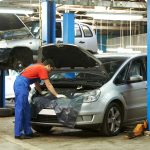
Dave Warren Chrysler Dodge Jeep RAM operates a state-of-the-art service center staffed by factory-trained technicians who know CDJR vehicles inside and out. Drivers across Chautauqua County — including those in Dunkirk, Lakewood, and Westfield — can rely on the team to ensure their vehicle is road-ready. Scheduling is straightforward, and the service department handles everything from routine oil changes to more involved drivetrain work. Find Dave Warren Chrysler Dodge Jeep RAM on Google Maps for directions and current hours.